Thursday, April 28, 2016

Benefits to a 1 minute workout

1 Minute of All-Out Exercise May Have Benefits of 45 Minutes of Moderate Exertion

Photo
Credit

For many of us, the most pressing question about exercise is: How little can I get away with? The answer, according to a sophisticated new study of interval training, may be very, very little. In this new experiment, in fact, 60 seconds of strenuous exertion proved to be as successful at improving health and fitness as three-quarters of an hour of moderate exercise.

Let me repeat that finding: One minute of arduous exercise was comparable in its physiological effects to 45 minutes of gentler sweating.
I have been writing for some time about the potential benefits of high-intensity interval training, a type of workout that consists of an extremely draining but brief burst of exercise — essentially, a sprint — followed by light exercise such as jogging or resting, then another sprint, more rest, and so on.
Athletes rely on intervals to improve their speed and power, but generally as part of a broader, weekly training program that also includes prolonged, less-intense workouts, such as long runs.
But in the past few years, exercise scientists and many of the rest of us have become intrigued by the idea of exercising exclusively with intervals, ditching long workouts altogether.
The allure of this approach is obvious. Interval sessions can be short, making them a boon for anyone who feels that he or she never has enough time to exercise.
Previously, I have written about a number of different interval programs, involving anywhere from 10 minutes of exhausting intervals in a single session to seven minutes, six, four and even fewer. Each program had scientific backing. But because of time and funding constraints, most studies of interval training have had limits, such as not including a control group, being of short duration or studying only health or fitness results, not both.
Consequently, fundamental questions have remained unanswered about just how well these very short, very intense workouts really stack up against traditional, endurance-style training.
So scientists at McMaster University in Hamilton, Ontario, who had themselves conducted many of those earlier studies of interval training, decided recently to mount probably the most scientifically rigorous comparison to date of super-short and more-standard workouts.
They began by recruiting 25 out-of-shape young men and measuring their current aerobic fitness and, as a marker of general health, their body’s ability to use insulin properly to regulate blood sugar levels. The scientists also biopsied the men’s muscles to examine how well their muscles functioned at a cellular level.
Then the researchers randomly divided the men into three groups. (The scientists plan to study women in subsequent experiments.) One group was asked to change nothing about their current, virtually nonexistent exercise routines; they would be the controls.
A second group began a typical endurance-workout routine, consisting of riding at a moderate pace on a stationary bicycle at the lab for 45 minutes, with a two-minute warm-up and three-minute cool down.
The final group was assigned to interval training, using the most abbreviated workout yet to have shown benefits. Specifically, the volunteers warmed up for two minutes on stationary bicycles, then pedaled as hard as possible for 20 seconds; rode at a very slow pace for two minutes, sprinted all-out again for 20 seconds; recovered with slow riding for another two minutes; pedaled all-out for a final 20 seconds; then cooled down for three minutes. The entire workout lasted 10 minutes, with only one minute of that time being strenuous.
Both groups of exercising volunteers completed three sessions each week for 12 weeks, a period of time that is about twice as long as in most past studies of interval training.
By the end of the study, published in PLOS One, the endurance group had ridden for 27 hours, while the interval group had ridden for six hours, with only 36 minutes of that time being strenuous.
But when the scientists retested the men’s aerobic fitness, muscles and blood-sugar control now, they found that the exercisers showed virtually identical gains, whether they had completed the long endurance workouts or the short, grueling intervals. In both groups, endurance had increased by nearly 20 percent, insulin resistance likewise had improved significantly, and there were significant increases in the number and function of certain microscopic structures in the men’s muscles that are related to energy production and oxygen consumption.
There were no changes in health or fitness evident in the control group.
The upshot of these results is that three months of concerted endurance or interval exercise can notably — and almost identically — improve someone’s fitness and health.
Neither approach to exercise was, however, superior to the other, except that one was shorter — much, much shorter.
Is that reason enough for people who currently exercise moderately or not at all to begin interval training as their only workout?
“It depends on who you are and why you exercise,” said Martin Gibala, a professor of kinesiology at McMaster University who oversaw the new study.
“If you are an elite athlete, then obviously incorporating both endurance and interval training into an overall program maximizes performance. But if you are someone, like me, who just wants to boost health and fitness and you don’t have 45 minutes or an hour to work out, our data show that you can get big benefits from even a single minute of intense exercise.”
Source: http://well.blogs.nytimes.com/2016/04/27/1-minute-of-all-out-exercise-may-equal-45-minutes-of-moderate-exertion/?ref=health

Thursday, April 14, 2016

Children and Chiropractic Care


Five Myths About Chiropractic Care for Children

Chiropractors who provide care for children – and families – can attest to the many benefits of a healthy spine to a growing child. However, this relatively new area of focus for chiropractic is susceptible to many misconceptions, among the public and the health-care community.
Many of the public perceptions about chiropractic care for children, however, are far from the truth. We explore these misconceptions and spoke to the experts to get the real facts about this thriving chiropractic focus area.
Myth #1 Chiropractic care of children is new.
When some individuals first learn that DCs treat children as well as adults, they may get the wrong idea that chiropractic for kids is new – which is to say untested, experimental and dangerous.
nakedbaby-e1373928186106-538x218That isn’t the case. Sure, the modern era of this field dates only as far back as the 1980s. But the fact is, the practice actually has much older and stronger roots. “If you go back to 1910, [founder of chiropractic] D.D. Palmer indicated how important it is to check a child’s spine from birth and throughout life,” notes Jeanne Ohm, CEO of the International Chiropractic Pediatrics Association (ICPA), a non-profit organization in Philadelphia.
By the 1980s, many DCs had developed their practices to treat adults specifically. In 1986, Dr. Larry Webster in the U.S. helped re-establish chiropractic care for children as a legitimate area of focus. He started teaching his child-friendly techniques, and he created the ICPA to further help chiropractors treat children.
Webster passed away in 1997, but his legacy continues. The ICPA now has more than 4,000 members and hundreds of DCs are studying to become chiropractors with a special focus on kids.
Myth #2 Children don’t need chiropractic care.
DCs who treat kids often hear questions along these lines: Why in the world would a child need to see a chiropractor? What good does chiropractic do for a toddler, or even a newborn?
Chiropractors have a few good answers.
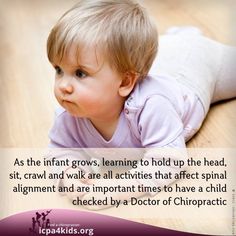
judy-1web“We may see a one-week-old child who is already showing signs of favoring, turning her head to one side versus the other,” says Dr. Judy Forrester, owner of Synergea Family Health Centre, a multidisciplinary clinic in Calgary, Alta. “That may seem minimal… but if we can determine any imbalances or asymmetry with the muscular function or the joint alignment, and we address it early, it’s better. Once those postural patterns and habits develop as they grow, they can be much more difficult to change.”
Dr. Liz Anderson-Peacock is a Barrie, Ont., chiropractor who focuses on care for children. She notes the link between the central nervous systems and various childhood afflictions.
“Children may have symptoms like ear infections, difficulty breathing, colic, attention deficit. We do not treat those things per se. We see those as expressions of the body not interpreting the world properly,” explains Anderson-Peacock, who also serves in the editorial board for the Journal of Maternal, Pediatric and Family Health.
“The organizing system for us to respond to the world is the nervous system. The questions we ask are: if there is something going on with the nervous system, what is it, and can chiropractic care help?”
Anderson-Peacock now spends most of her time travelling around the world doing lectures and other speaking engagements. She also conducts seminars for the ICPA about chiropractic care for children and families.
Ohm from the ICPA links chiropractic to the very moment a child emerges from the womb. “Birth can be traumatic,” she says. The event could cause physical damage that leads to difficulties later. So if a baby develops breathing trouble, “the real cause may simply be a misalignment to the spine from the birth process. Parents who get that will stop at the clinic on the way home from the birth centre to make sure everything is OK.”
Myth #3 Chiropractors use the same techniques on children as adults.
“That’s what terrifies a lot of chiropractors about adjusting children, as well as parents,” Anderson-Peacock says. “They think we’re going to adjust them like an adult.”
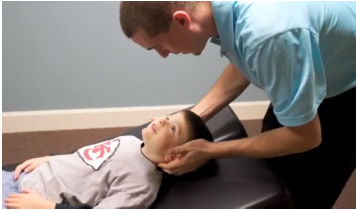
DrLiz_007_5x71-460x460But DCs who treat children do not apply heavy pressure. “Often, it’s a matter of moving the child into a position of ease, holding that position and things will reset quite nicely on their own,” Anderson-Peacock says. Care, she points out, is nowhere near as forceful as it may be for adults.
“That’s why extra training is so crucial. These children are not like miniature adults. For example, spines are primarily cartilaginous until the age of six, and we know cartilage will deform when we have abnormal function. So we want to make sure that function is restored normally. And since the bones are immature, the alignment issues are different. We want to minimize rotations and traction, because children have different needs, due to the immaturity of their musculoskeletal and ligamentous structures.”
The ICPA aims to validate techniques for chiropractic care for children, particularly to help dispel the idea that DCs use the same pressure on kids as they do on adults, Ohm notes. The organization is working with Walter Herzog, co-director of the Human Performance Laboratory at the University of Calgary, to study the pressure required when caring for children. The report should be out by the end of 2015.
Myth #4 There are no real experts in chiropractic care for children.
In Canada, chiropractic care for children is not a recognized area of specialty, which leads some people to think there are no genuine experts in the field. But that isn’t true.
Many DCs follow accredited courses to develop child-specific skills. Anderson-Peacock spent three years studying at the International Chiropractors Association’s Council on Chiropractic Education (CCE)-accredited program in pediatric chiropractic. She achieved her Diplomate in Clinical Chiropractic Pediatrics (DICCP) in 1996.2e8a889f123a5820844ea86b019e2e61
Dr. Stacey Hornick is owner of Market Mall Family Chiropractic in Saskatoon, Sask. She attended McTimoney College of Chiropractic, operated by BPP University – a post-secondary institution in London, England. Over three years, she took courses by correspondence and traveled to Thailand, Hong Kong and Australia to complete the residency portion of the program. Having succeeded in her studies last year, she was granted a master’s degree in Chiropractic Paediatrics.
Hundreds of DCs have taken the ICPA’s programs. The ICPA Diplomate Programinvolves a total of 400 hours of learning and achieved through the successful completion of two levels of study.
The first part – a 200-hour certification program – involves 14 classroom modules, participation in two ICPA Practice Based Research Network projects, and successful completion of the comprehensive certification  final exam.
The second part is a 200-hour advanced competency program. It requires 200 hours of work with more emphasis on research, including either a published research case study or a publishable thesis, as well as clinic work. Enrollment in the first level (200-hour certification program) is a prerequisite to enroll in part two.
Chiropractic care for kids may not be a recognized specialty in Canada, but chiropractic associations recognize it as a legitimate area of focus.
In a statement, the Alberta College and Association of Chiropractors (ACAC) has acknowledged, “chiropractic treatment is as beneficial to children as it is to adults and that the efficacy and benefits of the delivery of chiropractic care to individuals 18 years of age and under are well supported by a body of ongoing research and documented case histories.”
Myth #5 Chiropractors don’t collaborate with pediatricians and medical doctors.
Hornick says this simply isn’t the case.
“I often refer pediatric patients to their medical doctors and to medical specialists, and we communicate clearly in the best interests of the child. I see our roles as complementary.”
Forrester also says she has good ties with medical doctors. “The majority of them are very much in favor of working together. Every once in a while you run into someone who thinks we’re all a bunch of quacks and they’re not up to date with the sorts of things we do. But by far the relationship with pediatricians is healthy and puts the patients’ best interests first.”
Reality recap
Chiropractic care for kids is not new. Children benefit from chiropractic care. Techniques for children are safe and nowhere near as forceful as they may be for adults. Many DCs are qualified experts, and many child-focused chiropractors establish strong connections with medical doctors. The truth is, DCs can and do share the benefits of their profession with patients across the entire age spectrum.2599369
Mastering pediatrics
Late last year, Dr. Stacey Hornick, a Saskatoon, Sask.-based DC focused on chiropractic care for children became one of the first Canadians to attain a Master’s of Science in Chiropractic Paediatrics.
She studied at McTimoney College of Chiropractic, operated by BPP University, a post-secondary institution in London, England. The McTimoney program is the only pediatric chiropractic program that meets the academic requirements for entry into doctoral studies (PhD) in the specific content area of chiropractic pediatrics, an opportunity never before afforded the chiropractic profession, she says.
“For me, it was important to seek out a highly respected qualification in pediatric care,” Hornick says. “There were no university-accredited courses in pediatrics in North America that I was aware of at the time. I liked the idea of studying abroad and at the same time becoming an expert in pediatric-specific assessment, and adjusting techniques that were gentle yet neurologically precise.”
It takes stamina and smarts to get into and complete this tough three-year course. Read on for the requirements. Do you have what it takes?
To enter the program, a candidate must have: a professional qualification in chiropractic and registration with a relevant chiropractic governing body
In each of the first two years of the program, the student must complete:
  • Work at two residential schools – Hornick explains that usually, students complete their residencies at U.K. chiropractic facilities, but McTimoney also gives students the chance to practice outside of the U.K. For her part, Hornick completed her first-year residency in Thailand, which was memorable. “We stayed at the Children of the Golden Triangle Training Center. It’s a safe haven when kids can go to school and avoid the whole child-trafficking danger, which is a heart-wrenching reality in that part of the world. Many of the children at the facility were orphans – 450 of them. We got to stay with them, and between five chiropractors, we adjusted all of them in three days.”
  • Online course work – Subjects range from the fundamentals of chiropractic pediatrics to specific requisite topics. Hornick says first-year courses include substrates of chiropractic pediatrics, physical assessment in chiropractic skills and pediatric neurology. “The second year is more application of knowledge.” Courses include normal and variant radiology anatomy in pediatrics, clinical research methodology, and four clinical pediatrics programs.
  • Structured clinical education, directed and self-directed
  • Objective structured clinical exam
In the third year of the program, students must complete a research project, including project design, implementation and report at a publishable standard. Hornick’s dissertation: The Effect of Chiropractic on Cortisol Levels in Infants with Colic. The investigation aimed to help doctors understand why chiropractic adjustment has a positive influence on colicky infants. Hornick found that infants with colic who receive chiropractic care demonstrate salivary cortisol release patterns similar to those seen in infants with no colic.


Thursday, March 31, 2016

Ease Pain Through Meditation


A Military Pilot Study Shows How Mindfulness Can Help Ease Pain

It could help heal so many invisible wounds.


ZENSHUI/ANTOINE ARRAOU VIA GETTY IMAGES
You can’t change chronic pain, but you can change the way you respond to it, finds a new study. 
Mindfulness meditation may help combat veterans with traumatic brain injury manage their chronic pain, according to a small but promising pilot study published in the journal Military Behavioral Health. 
An estimated 44 percent of U.S. combat veterans and 26 percent of Americans in general suffer from chronic pain, a condition in which pain persists for longer than 12 weeks and in some cases for a lifetime. If the pilot study’s results are borne out in future research, the military will have an effective and economical tool to help treat soldiers who return from the field with lifelong pain, says Thomas Nassif, a researcher at the Washington D.C. Veterans Affairs Medical Center and professorial lecturer at American University. 
What’s more, this mindfulness therapy could apply to civilians with pain problems, providing another way to supplement traditional therapies like pain medication, psychological counseling and surgeries or implants. 

Meditation resulted in a 20 percent decrease in pain

Nassif tested a particular mindfulness meditation program called Integrative Restoration Yoga Nidra, or iRest, which focuses on breathing exercises, guided imagery and progressive relaxation. Because of promising but preliminary research on iRest, it is already offered as an “educational class” (read: not official therapy) at VA medical centers and other active-duty military facilities nationwide.
But Nassif’s pilot is the first time it has been tested for its effect on chronic pain. Past research has shown that iRest can help decrease PTSD symptoms and emotional reactivity in vets, but these studies did not have case control groups, he noted.
The participants in Nassif’s study were all male combat veterans of wars in Afghanistan, Iraq, Kosovo and Bosnia. They had all experienced traumatic brain injury during their service and returned to the U.S. with chronic pain. In order to isolate the effects of the meditation, the researchers excluded all men who already seemed to be self-medicating on some level: those who drank a certain amount of alcohol, had used illicit drugs in the past month, relied on prescription medications known to alleviate pain or who were already regular meditators.
That left nine people, who formed two groups. Four of the men spent two months doing at least two hour-long meditations every week, and the five case controls did not participate in the meditation program until after the experiment was over. 
After the two month meditation experiment was over, Nassif asked the men to re-assess their pain, where it hurt and how much it hurt. He found that the vets who had meditated reported an at least 20 percent reduction in pain intensity and pain interference, which means whether or not pain can disrupt sleep, mood and activity levels. The control group that didn’t meditate did not report any pain improvement.

You can’t change pain, but you can change the way you react

Like the tenets of traditional mindfulness meditation, which encourage practitioners to observe their surroundings, thoughts and feelings without judgment, the iRest meditation program encourages practitioners not to avoid their pain but to focus on it from a “nonjudgemental perspective.”
It’s thought that slowly changing a person’s perception of their pain reduces the mental and emotional burden he has to bear, which in turn could help increase their coping skills and minimize the pain’s effect on day-to-day life, explains Nassif. This success could, over time, develop into a sense of empowerment over their pain.
“Our theory is that mindfulness meditation encourages patients to not practice avoidance so much as sustain their attention on painful sensations without judgment and without bringing up any unpleasant cognitions, thoughts or emotions that might accompany these painful sensations,” said Nassif. “The sensations may still be there, but they wont be as bothersome, and we consider that self-management an important process through which mindfulness meditation can help veterans manage their pain better.”

A way to complement pain control

Because the pilot study was so small, and conducted among such a homogenous group of participants, Nassif can’t make any generalizations about whether mindfulness meditation can help others living with chronic pain. But he can say that the program is a promising approach to pain control that empowers people to establish a better quality of life for themselves.
Nassif is also clear that he doesn’t see mindfulness meditation as a complete replacement for things like pain medication or therapy. Instead, he explained, it could provide veterans with one more option to help cope with their pain — especially those who are concerned about the long-term side effects of certain pain medications, or those who find that the pain medications have stopped working for them.
“For many of them, the pain level is sometimes a nine out of 10, or 10 out of 10, every minute of every day,” Nassif said, referring to a traditional pain scale. “This is just one example of a tool that may help make the pain more tolerable and may provide some healing, at least on a mental, spiritual or quality-of-life level.” 
More research is needed on the topic, he concluded.

Source: http://www.huffingtonpost.com/entry/military-mindfulness-meditation-chronic-pain-study_us_56bbb28fe4b0c3c5504ff995

Thursday, March 24, 2016

Take Control of Your Pregnancy

Take the Wheel – Chiropractic and Pregnancy

In today’s fast paced highly technical world, the journey of pregnancy has become a mixed bag of emotions for women. With all of the doctor appointments and “routine” tests, it leaves many women feeling overwhelmed and fearful for the journey ahead.
These feelings were very apparent during a recent casual conversation with a friend whom I hadn’t seen in a couple of years, and the conversation gradually shifted over to the fact that she was expecting her first baby in just under four months. I generally have these types of conversations quite often with women, because prenatal chiropractic has been my focus for nearly ten years.
This conversation was no different from many of the others, but something she said really struck me: We were discussing who her birth provider was and where she was delivering, when she casually hinted that she wasn’t really happy with her current doctor. Her description of their relationship was, “I feel like I’m a backseat driver along for the ride.” To which my response was, “Maybe you need to take the wheel
The “Typical” Experience
This is your pregnancy. You shouldn’t feel like a “backseat driver.” As most of my conversations go, I started asking her all kinds of questions. Again, her description of what had occurred up to that point was very similar compared with most women. She had first met with her obstetrician around 8 weeks, because she was over the age of 30, and her doctor wanted to keep an eye on things from an early stage and get an accurate due date. Despite having no prior complications or previous pregnancies, the nurses informed her that she was going to undergo some simple blood work and a routine ultrasound. With no previous experience, she decided that her doctor knew best and had the test and the results came back normal.
If we fast-forward three more visits to her OB, she has now had three more ultrasounds, despite her previous normal results and her reluctance for all of these tests. She has also had the famous blood glucose test, which came back slightly elevated. This, of course, lead to another test, but these results came back normal. Despite these normal results she was labeled with gestational diabetes. At this point, she started to ask friends about their experiences. As it turned out, they had experienced very similar situations with many different doctors.
You are probably thinking; “So what?” right? Well, the ultrasounds and the gestational diabetes are merely the beginning of this journey. As technology has advanced, so has our utilization of technology in pregnancy and birth. This is leading to our current rates of inductions, epidurals, and c-sections. I won’t get into the controversy that surrounds the utilization of these procedures during pregnancy and birth, and actually that’s not the issue here at all.
If you noticed, she was not alone in what she had experienced. The primary issue is that many pregnant women are feeling left out when it comes to how this journey may shape up. Women honestly ARE like a backseat driver. They are on this journey, and as they are moving down the path, they may say, “I would like to do this……” but often times are met with a dismissive response or are told, “because of x, y, or z we can’t do that,” or “we don’t do it that way here.”
Taking Control of Your Pregnancy
In my office we encourage seeking options and will help you find answers.
I have seen it first hand too many times; women will come to the office in tears, because they are told something along those lines, and they feel helpless and scared. They feel trapped with no exit options.
Women may come to their doctor with their route planned, only to find that their doctor is using a GPS to navigate to their destination on a different route. Both routes will get the same result, the baby will be born, but they simply are not choosing the same route and probably not the same arrival time to that destination either.
Women are put in the backseat and are saying, “no it’s not this exit, I wanted to take this route”, but the doctors still push forward with their own route. This is never the feeling anyone should have in their healthcare, especially not during pregnancy, when it is so essential for women to feel safe and confident, so their babies feel safe and grow healthy and unstressed. Not only are these women being denied control of their own pregnancy and birth journey, they are not being encouraged to seek out options and answers.
Why Chiropractic?
The truth is that pregnancy and birth MATTER! In my office we unfortunately see this classic story all the time and its long term effects. I would love to never hear these stories again. These stories are why I’m so obsessed with educating and empowering women to take control of their pregnancy and birth to start rewriting the classic story.
I am often asked, “Why does a chiropractor even care about pregnancy and birth?” The answer can be quite simple, yet many people don’t see it. Most people have a skewed view of chiropractic. Our main role as chiropractors is not to treat headaches and back pain. Rather, we are trained to help each and every patient reach their full potential by allowing their body to work with ease and efficiency.

How Chiropractic Helps with Pregnancy & Birth
When an expecting mom receives chiropractic during her pregnancy, it has been shown to:
  • decrease pain during birth
  • shorten birth times
  • reduce the number of birth interventions
Each of these benefits are not only great for mom, but important for what all parents want at the end of their pregnancy—a healthy, happy baby.


The easier a pregnancy and the birth process are, the less stress and strain babies endure, which leads to better bonding, better nursing, better sleeping, and fewer digestive complaints (colic, reflux, and constipation). With this classic story that we heard above, we find nearly 95% of children have stress at the base of the skull and upper neck which hinders their ability to function with ease and efficiency. This stress on the neck is exactly what pediatric chiropractors are experts at detecting and correcting.
Still people may offer objections to me discussing pregnancy or birth, because I’m not an OB. To be fair I understand that, but you see, an OB is trained to deliver your baby, not raise a healthy baby! When you receive chiropractic care prior to and during pregnancy, not only do you receive adjustments, you will be consistently educated and empowered to ask the questions and take the steps that help you achieve the birth that is best for you and your baby’s long term health. We want what every family wants; for you to have a healthy, happy baby. The best way to achieve that is by preparing, educating, and taking control of your own care.
The best preparation for tomorrow is doing your best today.
H. Jackson Brown
In order to have that healthy, happy baby, you need to be a healthy, happy mom. To become that healthy, happy mom you need to prepare your body to be at ease and function with efficiency. You also need to become educated about the journey ahead, so you can plan your route and know your destination.

Thursday, March 17, 2016

The Importance of Good Posture


Posture Affects Standing, and Not Just the Physical Kind


A distraught wife begged me to write about the importance of good posture. “My husband sits for many hours a day slouched over his computer,” she said. “I’ve told him repeatedly this is bad for his body — he should sit up straight — but he pays no attention to me. He reads you every week. Maybe he’ll listen to you.”
So here goes: Yes, dear sir, listen to your wife. Slouching is bad. It’s bad not only for your physical health, but also for your emotional and social well-being. More about this in a bit.


Without delay, get that computer on a proper surface (laps can encourage slouching) and get a supportive chair that enables you to sit up straight with your head aligned directly over your shoulders and hips when your eyes are on the screen.
As a short person who is prone to back pain, I have long been aware of the value of good posture, and seating that minimizes the stress on my spine and the muscles and ligaments that support it. I know within seconds of sitting in a car whether it will hurt my back or neck; when renting, I test car after car until I find one that suits my diminutive frame.
I bought my current vehicle, a Toyota Sienna minivan, largely because I was immediately comfortable when I got behind the wheel for a test drive. My entire back was supported, so not a twinge was felt there, unlike what happens in many other cars. I could also easily see over the steering wheel without tilting my head back, which is not the case in most other vehicles. And I could reach the floor pedals without unduly extending my leg and straining my lower back.
Poor posture can have ill effects that radiate throughout the body, causing back and neck pain, muscle fatigue, breathing limitations, arthritic joints, digestive problems and mood disturbances. It can also create a bad impression when applying for a job, starting a relationship or making new friends.
Poor posture can even leave you vulnerable to street crime. Many years ago,researchers showed that women who walked sluggishly with eyes on the ground, as if carrying the weight of the world on their shoulders, were much more likely to be mugged than those who walked briskly and purposely with head erect. I can’t prove posture was at fault, but this is indeed what happened to a Brooklyn neighbor on her way home one night.
We live in a gravitational field, and when our bodies are out of line with the vertical, certain muscles will have to work harder than others to keep us upright. This can result in undue fatigue and discomfort that can outlast the strain that caused them.
In a study of 110 students at San Francisco State University, half of whom were told to walk in a slumped position and the other half to skip down a hall, the skippers had a lot more energy throughout the day.
Any repetitive or prolonged position “trains” the body’s muscles and tendons to shorten or lengthen and places stress on bones and joints that can reshape them more or less permanently. Just as walking in high heels can shorten and tighten the Achilles’ tendons and calf muscles, slouching while sitting hour after hour can result in a persistent slouch, while standing and walking while slouched can lead to permanently rounded shoulders and upper back.
Although early humans spent most of their waking hours walking, running and standing, today in developed countries, 75 percent of work is performed while sitting. Most people sit going to and from work and while relaxing after work. The longer people sit (or stand) without a change in position and movement, the more likely they will be to develop a postural backache, according to a report in The Journal of Manipulative and Physiological Therapeutics.
“Text neck,” a term coined by a Florida chiropractor, Dean L. Fishman, is a repetitive stress injury resulting from hours spent with the head positioned forward and down while using electronic devices. This leads to tight muscles in the back of the neck and upper back. And those who lean forward while sitting may be inclined to clench their jaws and tighten their facial muscles, causing headache and TMJ — temporomandibular joint syndrome
Leaning forward or slouching can also reduce lung capacity by as much as 30 percent, reducing the amount of oxygen that reaches body tissues, including the brain, according to Dr. Rene Cailliet, a pioneer in the field of musculoskeletal medicine who died in March.
Additionally, slouching or sitting in a scrunched position compresses the abdominal organs and may reduce peristaltic action that is important to normal digestion and bowel function.
One of today’s most troublesome activities, especially for children and adolescents whose bone structure is still developing, is carrying extraordinarily heavy backpacks to and from school and often throughout the school day. The weight forces them to bend forward, with potentially the same consequences as slouching.
It is time to return the rolling backpack to youthful fashion. I have used one to lug heavy files and books back and forth to work since these packs were first invented as an outgrowth of the wheeled luggage that came into vogue in the 1980s.
For far too many years, I carried everything, including a heavy briefcase and groceries, over my right shoulder, which forced me to raise that shoulder and lean toward my left, clearly an undesirable posture. When carrying heavy items is unavoidable, it is best to balance them on both sides of the body.
Among other postural habits to avoid are these, listed by Britain’s National Health Service.

  • Standing with a flat back, with the pelvis tucked in and lower back straight (the normal spine has three curves – in the neck, chest and lower back).
  • Standing with chest pushed forward and buttocks pushed back (the so-called Donald Duck posture that exaggerates the lumbar curve).
  • Leaning on one leg, which puts undue pressure on one side of the lower back and hip.
  • Bending the head back and sticking out the chin while looking at a computer screen or television. Instead, lower the screen or raise the seat.
  • Holding the phone on a shoulder. Instead, use a hands-free device like a headset or Bluetooth.

Improving posture requires a conscious effort and often strengthening and flexibility exercises to correct muscular imbalances, according to Nick Sinfield, a British physiotherapist. For example, exercises that strengthen the core, buttocks muscles and back extensors help correct a slouching posture, he said.

Cited from: 
http://mobile.nytimes.com/blogs/well/2015/12/28/posture-affects-standing-and-not-just-the-physical-kind/?smid=fb-nytimes&smtyp=cur&_r=1&referer=http%3A%2F%2Fm.facebook.com

Monday, March 7, 2016

Benefit your brain by learning a new sport

Learning a New Sport May Be Good for the Brain

Learning in midlife to juggle, swim, ride a bicycle or, in my case, snowboard could change and strengthen the brain in ways that practicing other familiar pursuits such as crossword puzzles or marathon training will not, according to an accumulating body of research about the unique impacts of motor learning on the brain.
When most of us consider learning and intelligence, we think of activities such as adding numbers, remembering names, writing poetry, learning a new language.
Such complex thinking generally is classified as “higher-order” cognition and results in activity within certain portions of the brain and promotes plasticity, or physical changes, in those areas. There is strong evidence that learning a second language as an adult, for instance, results in increased white matter in the parts of the brain known to be involved in language processing.
Regular exercise likewise changes the brain, as I frequently have written, with studies in animals showing that running and other types of physical activities increase the number of new brain cells created in parts of the brain that are integral to memory and thinking.
But the impacts of learning on one of the most primal portions of the brain have been surprisingly underappreciated, both scientifically and outside the lab. Most of us pay little attention to our motor cortex, which controls how well we can move.
“We have a tendency to admire motor skills,” said Dr. John Krakauer, a professor of neurology and director of the Center for the Study of Motor Learning and Brain Repair at Johns Hopkins University in Baltimore. We like watching athletes in action, he said. But most of us make little effort to hone our motor skills in adulthood, and very few of us try to expand them by, for instance, learning a new sport.
We could be short-changing our brains.
Past neurological studies in people have shown that learning a new physical skill in adulthood, such as juggling, leads to increases in the volume of gray matter in parts of the brain related to movement control.
Even more compelling, a 2014 study with mice found that when the mice were introduced to a complicated type of running wheel, in which the rungs were irregularly spaced so that the animals had to learn a new, stutter-step type of running, their brains changed significantly. Learning to use these new wheels led to increased myelination of neurons in the animals’ motor cortexes. Myelination is the process by which parts of a brain cell are insulated, so that the messages between neurons can proceed more quickly and smoothly.
Scientists once believed that myelination in the brain occurs almost exclusively during infancy and childhood and then slows or halts altogether.
But the animals running on the oddball wheels showed notable increases in the myelination of the neurons in their motor cortex even though they were adults.
At the same time, other animals that simply ran on normal wheels for the same period of time showed no increase in myelination afterward.
In other words, learning the new skill had changed the inner workings of the adult animals’ motor cortexes; practicing a well-mastered one had not.
“We don’t know” whether comparable changes occur within the brains of grown people who take up a new sport or physical skill, Dr. Krakauer said. But it seems likely, he said. “Motor skills are as cognitively challenging” in their way as traditional brainteasers such as crossword puzzles or brain-training games, he said. So adding a new sport to your repertory should have salutary effects on your brain, and also, unlike computer-based games, provide all the physical benefits of exercise.
These considerations cheered me a few weeks ago when I took to the slopes of my local mountain for a weekend-long crash course in snowboarding. (Crashing, regrettably, is inevitable while learning to shred.) I had wondered if I might be too advanced in years and hardened in the habits of skiing to learn to ride. But the experience was in fact exhilarating and glorious. Learning a new sport or skill when you are old enough to be a parent to your instructor is psychologically uplifting, as well as beneficial for the body and brain. It reminds you that your body can still respond, that it can still yearn for movement and speed.
By the end of the second day, I attempted my first moguls on a snowboard and completed precisely one turn before auguring hindside into the slope and slipping and picking my way down the rest of the run. But one mogul turn was 100 percent more than I had managed before. I now aim to return to the mountain and double that number to two turns, which is how we learn and progress and, with luck, change our minds — both literally and about our limits.

Cited from:
http://well.blogs.nytimes.com/2016/03/02/learning-a-new-sport-may-be-good-for-the-brain/?smid=fb-share&_r=0

Tuesday, February 16, 2016

Are High Heels Affecting Your Health?


Knee Osteoarthritis Could Affect 6.5 Million Americans by 2020

By Dr. Mercola

By 2020, nearly 6.5 million Americans between the ages of 35 and 84 are expected to be diagnosed with knee osteoarthritis. More than half of the new cases will appear in people as young as 45 to 64 years, and by 2020 the average age of diagnosis is expected to fall from 72 to 55.1
Why are so many young people suffering from this painful degenerative joint disease, which has historically been associated with wear-and-tear and joint deterioration that occurs over a lifetime?
Rising rates of overweight and obesity likely play a role. Arthritis rates are more than twice as high in obese people as those who are normal weight, because the extra weight puts more pressure on your joints, as well as increases inflammation in your body.
This not only leads to osteoarthritis, it can also make joint pain from any cause exponentially worse. Another clue as to why knee osteoarthritis is on the rise? It occurs about twice as often in women as in men. This is partly due to anatomy – women tend to have wider hips, which adds stress to your knees.2 Another contributor, however, is women’s footwear, specifically high-heeled shoes.

High-Heel Shoes Increase Stress on Knee Joints Up to 90 Percent

It’s estimated that one in 10 women wear high heels at least three days a week, and up to one-third of women suffer from permanent problems as a result of prolonged wear.3 
High heels (generally described as a heel height of two inches or higher) shift your foot forward into an unnatural position with increased weight on your toes. Your body tilts forward, so you lean backwards and overarch your back to compensate. 
This posture changes the dynamics of human walking significantly and adds tremendous strain to your hips, lower back, and your knees. When researchers analyzed how walking on high heels changes muscle activity and walking stance, their results were quite concerning:4
The results indicate a large increase in bone-on-bone forces in the knee joint directly caused by the increased knee joint extensor moment during high-heeled walking, which may explain the observed higher incidence of osteoarthritis in the knee joint in women as compared with men.”
Additionally, according to research from the University of Southern California, wearing 3.75-inch heels may increase stress on your knee joints by up to 90 percent compared to wearing a half-inch heel!5
Separate research also concluded, “The altered forces at the knee caused by walking in high heels may predispose to degenerative changes in the joint.”6
Generally, the higher the heel the more stress it places on your knee joints, however, even shoes with moderately high heels (1.5 inch) “significantly increase knee torques” that may contribute to the development and progression of knee osteoarthritis.7
Furthermore, it doesn’t matter if the heel is a stiletto or a wedge… both wide-heeled and narrow-heeled shoes increase pressure on your knees in the places were degenerative joint changes often occur.8 So one of the easiest changes you can make to avoid knee pain is to wear appropriate footwear for all of your daily activities.
Opt for comfort over style, and if you do wear high-heeled shoes, reserve them for occasions that don’t involve extended periods of walking and standing. Ideally, bring them with you to a special event, put them on when you get there, and then change into your more comfortable shoes when you leave.

Movement and Exercise Are Essential for Preventing Knee Pain

Research from Northwestern University School of Medicine found that over 40 percent of men and 56 percent of women with knee osteoarthritis were inactive, which means they did not engage in even one 10-minute period of moderate-to-vigorous activity all week.9
This is unfortunate because the notion that exercise is detrimental to your joints is a misconception. There is no evidence to support this belief. Instead, the evidence points to exercise having a positive impact on joint tissues. It can also improve bone density and joint function, which can help prevent and alleviate osteoarthritis as you age.
And if you exercise sufficiently to lose weight, or maintain an ideal weight, you can in fact reduce your risk of developing joint pain due to osteoarthritis rather than increase your risk. As Harvard Health Publications stated:10
"Each pound you lose reduces knee pressure in every step you take. One study found that the risk of developing osteoarthritis dropped 50% with each 11-pound weight loss among younger obese women.11
If older men lost enough weight to shift from an obese classification to just overweight… the researchers estimated knee osteoarthritis would decrease by a fifth. For older women, that shift would cut knee osteoarthritis by a third."
Effective exercise such as taking 7,000-10,000 steps a day, high-intensity interval training (HIIT)weight trainingstretching, and core work all have a place in improve the health of your joints. Such exercises help prevent and relieve joint pain through a number of mechanisms, including strengthening key supportive muscles and improving flexibility and range of motion.
This is important, as the pain of osteoarthritis has a tendency to lead to decreased activity, which in turn promotes muscle weakness, joint contractures, and loss of range of motion. This, in turn, can lead to more pain and loss of function, and evenless activity. Exercise can help you to break free from this devastating cycle and prevent knee pain in the first place.
Specifically, building your quadriceps is especially important. People with knee osteoarthritis who have greater quadriceps strength report less knee pain and better physical function.12 If you've already developed osteoarthritis in your knees, you'll want to incorporate exercises that strengthen your quadriceps muscle at the front of your thigh. And, rather than running and other high-impact activities, you may be better off with non-weight-bearing exercises like swimming and cycling.
Strengthening and stretching the areas around, above, and below your knee is key to reducing most knee pain, which is the goal of the exercises demonstrated in the video above. I recommend a qualified physiotherapist to properly assist you with your exercises to avoid injury.

Eat Your Way to Healthier Knees?

Diet doesn’t usually come to mind when you think about knee pain… but it should. Eating a whole-foods-based diet, like the one described in my nutrition plan, will reduce inflammation in your body and may even be beneficial for cartilage. Broccoli, for instance, appears to be particularly useful for the prevention and treatment of osteoarthritis. As reported by BBC News:13
"Eating lots of broccoli may slow down and even prevent osteoarthritis, according to a team of researchers at the University of East Anglia who are starting human trials following on from successful lab studies.14 Tests on cells and mice showed that a broccoli compound, sulforaphane -- which humans can also get from Brussels sprouts and cabbage -- blocked a key destructive enzyme that damages cartilage."
According to lead researcher Ian Clark, the results are "very promising," as they've shown that sulforaphane works in each of the three laboratory models they've tried so far—in human and cow cartilage cells, tissue, and live mice. Sulforaphane, which is known for its anti-inflammatory and anti-cancer benefits, can also be found in other cruciferous vegetables, such as Brussels sprouts, cauliflower, and cabbage. Broccoli, however, is one of the richest sources of this potent compound, and broccoli sprouts appear to be one of the richest sources of all.
 I recently interviewed Dr. Robert Rowen for his work on ozone and treating Ebola in Africa. He is one of the leading ozone physicians in the US and has successfully treated many patients with ozone therapy as an alternative to surgical intervention. If the ozone treatment fails, there is no harm and one can always have surgery, but if you have surgery and it fails, the surgery may cause irreversible damage.

Natural Remedies for Growing Healthy Cartilage and Relieving Pain

For joint pain, many physicians commonly recommend anti-inflammatory drugs (non-steroidal anti-inflammatory drugs or NSAIDs) and analgesics (such as Tylenol) to their osteoarthritis patients. I don't recommend the chronic use of these drugs due to significant side effects, which may include kidney and/or liver damage. There are safer and more effective natural options for relieving joint pain. Although popular, I am also not much of a glucosamine and chondroitin fan because studies have failed to demonstrate their effectiveness. However, there are some very effective natural remedies that are truly backed up by science. The following are my favorites:
  • Vitamin D: Cartilage loss in your knees, one of the hallmarks of osteoarthritis, is associated with low levels of vitamin D. So if you're struggling with joint pain due to osteoarthritis, get your vitamin D level tested, then optimize it using appropriate sun exposure or a high-quality tanning bed. If neither of these options is available, you may want to consider oral vitamin D3 and vitamin K2 supplements.
  • Sun exposure is your best option, because your skin produces two types of sulfur in response to sun exposure: cholesterol sulfate and vitamin D3 sulfate. Sulfur plays a vital role in the structure and biological activity of both proteins and enzymes. If you don't have sufficient sulfur in your body, this deficiency can create a number of health problems, including negative impacts on your joints and connective tissue. Which brings us to the next item...
  • Sulfur/Epsom salt soaks/MSM: In addition to making sure you're getting ample amounts of sulfur-rich foods in your diet, such as organic and/or grass-fed/pastured beef and poultry, Dr. Stephanie Seneff, a senior scientist at MIT, recommends soaking your body in magnesium sulfate (Epsom salt) baths to counteract sulfur deficiency. She uses about 1/4 cup in a tub of water, twice a week.
  • It's particularly useful if you have joint problems or arthritis. Methylsulfonylmethane (known as MSM) is another alternative you might find helpful. MSM is an organic form of sulfur and a potent antioxidant naturally found in many plants. It is available in supplement form.
    • Infrared laser: Infraredlaser treatment (also called K-Laser) is a relatively new type of therapy that speeds healing by increasing tissue oxygenation and allowing injured cells to absorb photons of light. This special type of laser has positive affects on muscles, ligaments and even bones, so it can be used to speed the healing of traumatic injuries, as well as chronic problems like arthritis of the knee.
    • Astaxanthin: An antioxidant that affects a wide range of inflammation mediators, but in a gentler, less concentrated manner and without the negative side effects of steroidal and NSAID drugs. Astaxanthin significantly reduces inflammation in many people—in one study, more than 80 percent of arthritis sufferers improved.15
    • Eggshell membrane: The eggshell membrane is the unique protective barrier between the egg white and the mineralized eggshell. The membrane contains elastin, a protein that supports cartilage health, and collagen, a fibrous protein that supports cartilage and connective tissue strength and elasticity. Eggshell membrane also contains transforming growth factor-B, a protein that helps with tissue rejuvenation, in addition to other amino acids and structural components that provide your joints with the building blocks they need to build cartilage.
    • Hyaluronic acid (HA): Hyaluronic acid is a key component of cartilage required for moving nutrients into and waste out of your cells. One of HA's most important biological functions is the retention of water. Unfortunately, as you age your body produces less and less HA. Oral HA supplementation may improve your joint cushioning in just two to four months.
    • Grounding, or walking barefoot on the earth, may also provide a certain measure of pain relief due to its potent antioxidant effect that combats inflammation.
    • Boswellia: Also known as boswellin or "Indian frankincense," I've found this Indian herb to be particularly useful in treating the pain and inflammation of osteoarthritis. With sustained use, boswellia may improve the blood flow to your joints, which may boost their strength and flexibility.
    • Turmeric/curcuminA study in the Journal of Alternative and Complementary Medicine found that taking turmeric extracts each day for six weeks was just as effective as ibuprofen for relieving knee osteoarthritis pain.16 This is most likely related to the anti-inflammatory effects of curcumin—the pigment that gives turmeric its vibrant yellow color.
    • Animal-based omega-3 fats: Omega-3 fats are excellent for arthritis because they are well known for reducing inflammation. Look for a high-quality, animal-based source such as krill oil.

    Read This if You’re Considering Knee Surgery

    Arthroscopic knee surgery is one of the most common unnecessary surgeries performed today. It has been shown to be no better than placebo surgery, and physical therapy and exercise have repeatedly been shown to be just as effective as surgery, and perhaps even more so in some cases. So please, carefully weigh your options before consenting to this procedure. Time and time again, researchers have concluded that the real knee surgeries offered no better outcomes than the sham surgeries.17
Found at:
http://fitness.mercola.com/sites/fitness/archive/2014/11/28/knee-osteoarthritis.aspx?x_cid=20160124_tweet_knee-osteoarthritis_twitterdoc